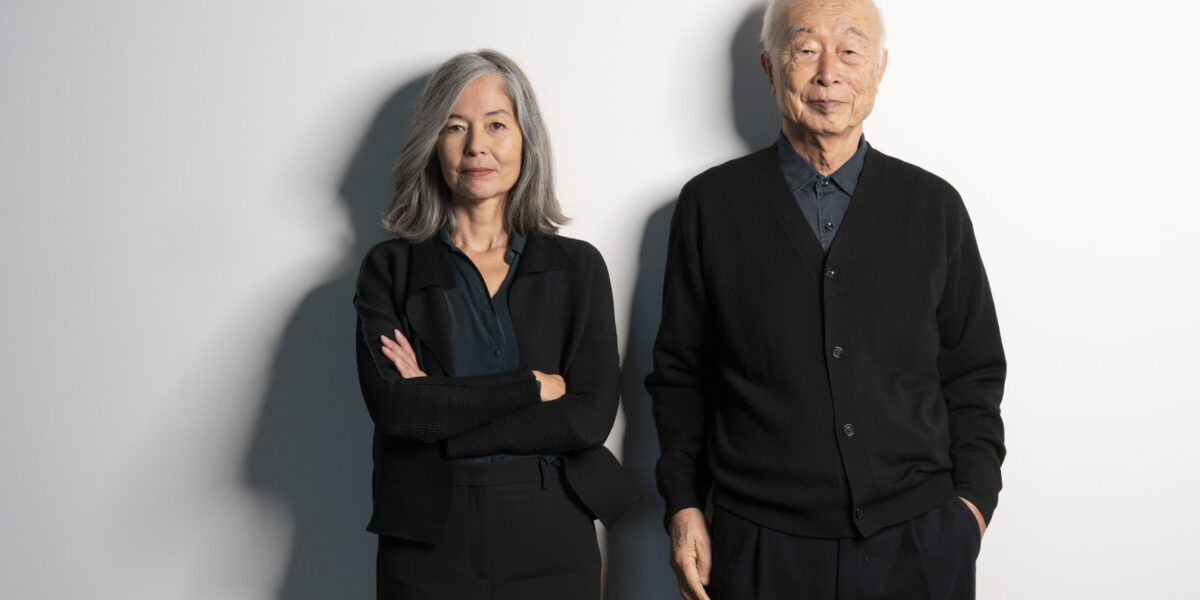
At a historical moment marked by profound social transformations, design is being called upon to address an increasingly complex question: how can spaces be created that genuinely improve people’s lives? For Makio Hasuike, the answer lies in the ability to combine knowledge with vision. «Creativity is a mystery, but without expertise it risks remaining a sterile exercise. Designing means deeply understanding people’s needs while also knowing the language, possibilities and culture of industry». It is within this balance that a project takes shape, as a synthesis of practical needs and the desire for innovation.
At the heart of this reflection is the human being. «Every person is different in terms of needs, tastes and lifestyles. Above all, people change over time. Design should also be capable of evolving alongside them». Today, the designer’s responsibility inevitably extends to the relationship with the environment. «The world is going through a delicate phase, and this imposes a new responsibility on those who design. We can no longer conceive products that fail to respect both people and the environment in which they live».
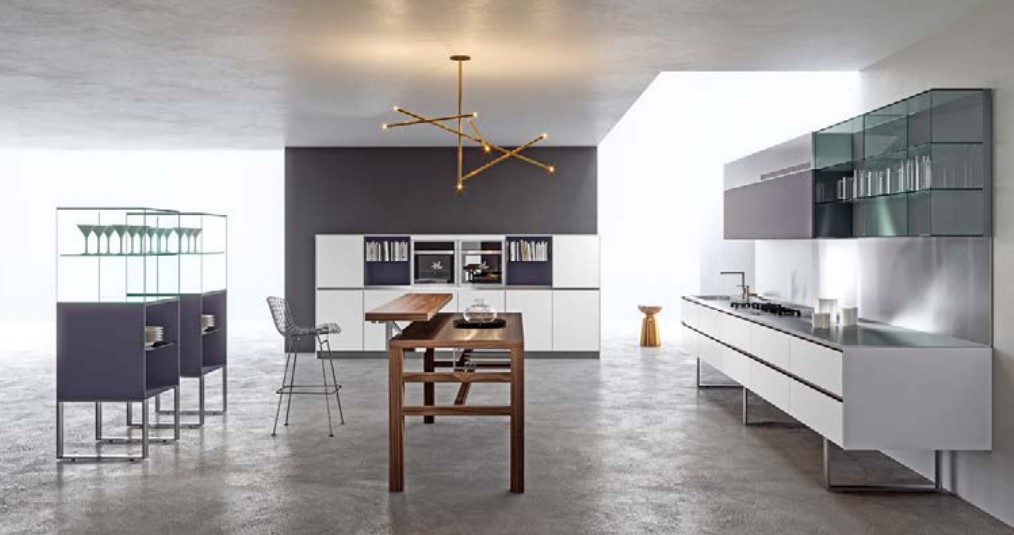
Naomi Hasuike believes that the contemporary designer must also take on a strategic role. «Our task is to connect different worlds: developing new materials, social change, new technologies and
manufacturing requirements. We must act as interpreters of change and, often, as advocates of a new vision within companies». Detail takes on a central role here. It is no longer merely a question of aesthetics, but a tool for enhancing everyday experience. Particularly significant is the issue of personalisation, which is destined to become increasingly important in kitchen design. «Alongside the bathroom, the kitchen is probably the most difficult room in the home to transform», observes Naomi Hasuike. «For this reason, the challenge for the future is to imagine systems characterised by greater lightness, capable of adapting over time and accompanying people as they evolve».
" UNDERSTANDING THE USER’S
NEEDS MEANS STARTING FROM
A CONCEPT OF CARE, FROM
A VISION THAT PLACES THE
HUMAN BEING AT THE CENTRE"
This concept goes beyond simple functional flexibility and introduces a new idea of sustainability: products that endure because they can change. Yet alongside efficiency and adaptability, the emotional dimension remains fundamental. «The kitchen continues to be a place of desire», emphasises Makio Hasuike. «People are looking for a space that simplifies everyday life, but also foran environment capable of inspiring emotion and sparking dreams». This reflection recalls the
most authentic value of living: the home as a place of relationships, sharing and wellbeing.
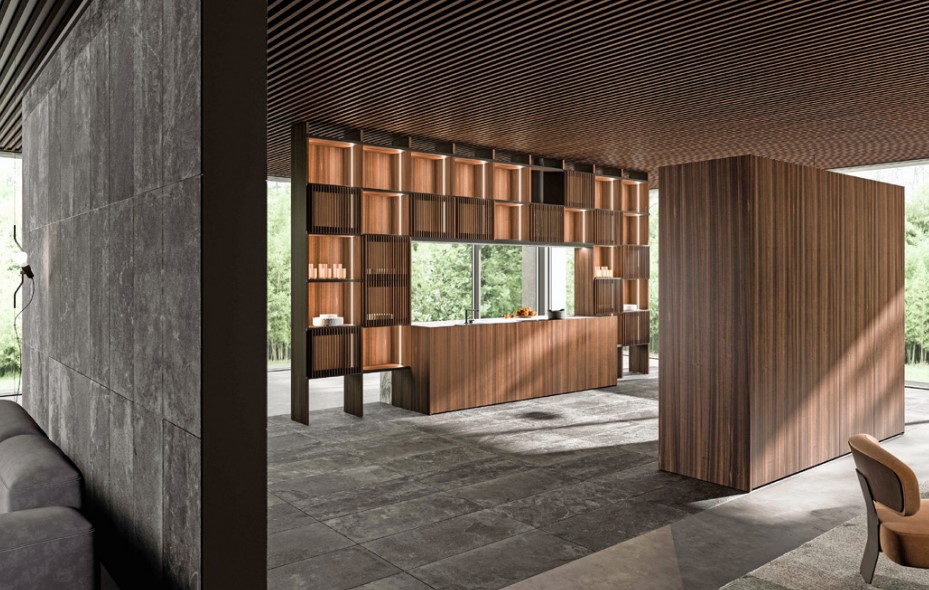
Looking to the future, Hasuike envisions a kitchen in which technology is always present but never intrusive. «Technology should help, not impose itself. It should be almost invisible, discreet, capable of supporting the experience without dominating it». A quiet presence serving quality of life. Perhaps the most effective summary of this vision can be found in Naomi Hasuike’s closing words: «I like to imagine a kitchen where function becomes poetry. A space in which aesthetics are not an end unto themselves, but a means of truly placing people at the centre, starting with a contemporary reinterpretation of the principles rooted in our heritage. Gestures that tell the story of the values embedded in our traditions».