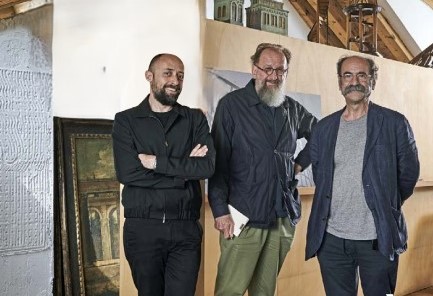
«Every project has a tangible impact on the way people experience and use spaces and, more broadly, on their relationship with the environment in which those spaces exist. Care becomes the guiding principle behind every design decision. Designing with care means creating environments that are functional, welcoming and accessible, making people’s interaction with space more intuitive and effortless. It is not simply about materials or technologies, but about the ability of spaces to enhance the quality of everyday life» says architect Davide Angeli, Managing Director of AMDL Circle, the internationally renowned architecture and design studio founded by architect Michele De Lucchi, whose design philosophy brings together art, science and technology while placing people at the heart of every project.
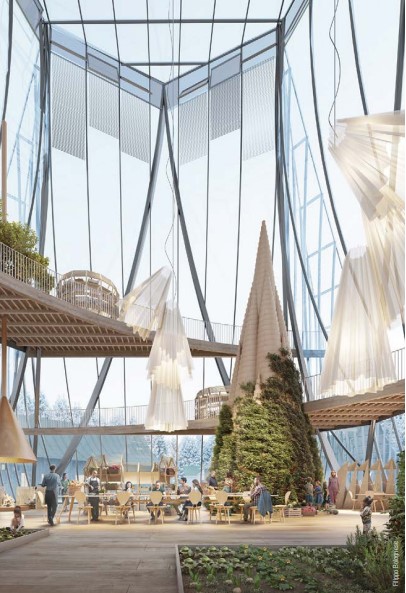
space, the environment and communities. It is part of the Earth Stations research programme
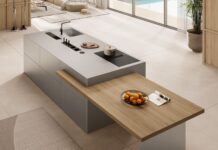
«The real challenge today», Angeli continues, «is finding the right balance between individual identity and the overall quality of the design. It is not about multiplying options, but about creating flexible systems capable of adapting to different needs without compromising coherence or quality. Design should never limit possibilities; it should keep them open. Customisation should not fragment a project, but rather strengthen its underlying structure while preserving clarity and design control». If quality is also expressed through details, designing kitchen details is far more than a matter of style, according to Angeli «in the kitchen, details are never secondary. They define the actual quality of a space and the way it is experienced every day. Working on details means designing around everyday gestures and patterns of use, bringing together organisation, ergonomics, technology and
materials into one coherent system».
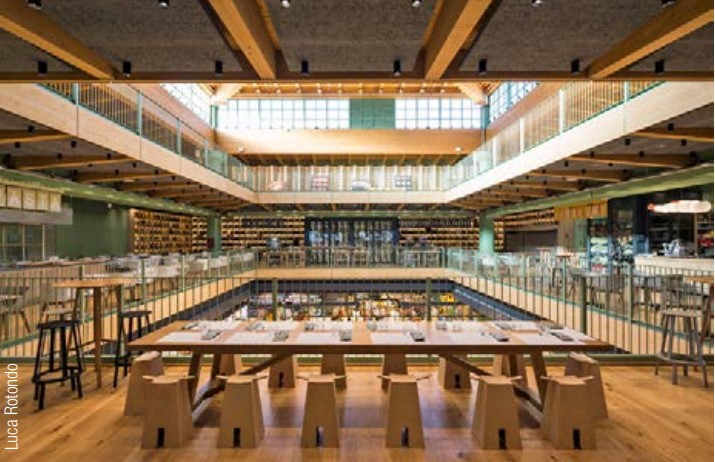
Looking ahead to the future of kitchen design, the architect identifies a concept that perfectly reflects the Studio’s humanistic vision. «I believe the key word for the next five years will be awareness. Kitchen design will increasingly depend on our ability to understand the impact of our choices and to create environments that encourage a more conscious use of resources and everyday actions. Awareness means developing systems that are clear, flexible and long-lasting, where technology and space work together to improve the quality of the experience without making it more complex»
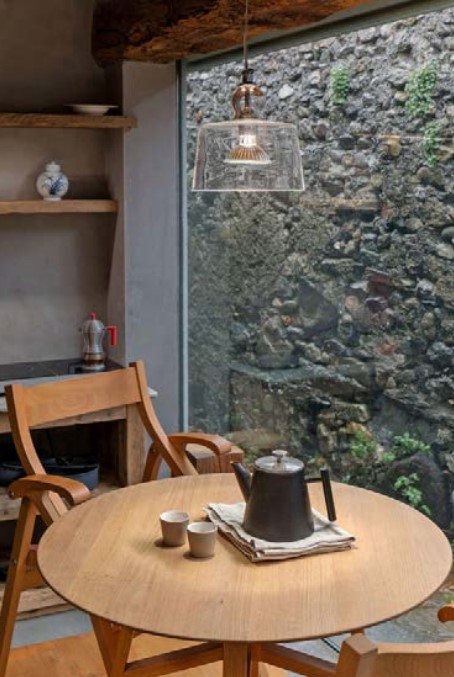
Finally, we asked Angeli how he would define the skill of creativity today within his field. «Today, creativity is no longer simply about inventing something new; it is about the ability to interpret complexity. We live in a time shaped by environmental, social and technological transformations that make straightforward answers increasingly difficult to find. In this context, creativity becomes a tool for understanding the relationships between people, places and resources, transforming constraints and contradictions into design opportunities. That is why I consider creativity a form of care: it requires attention, listening and responsibility towards what already exists and towards what a project has the potential to generate. It is an attitude that keeps design open to change».