
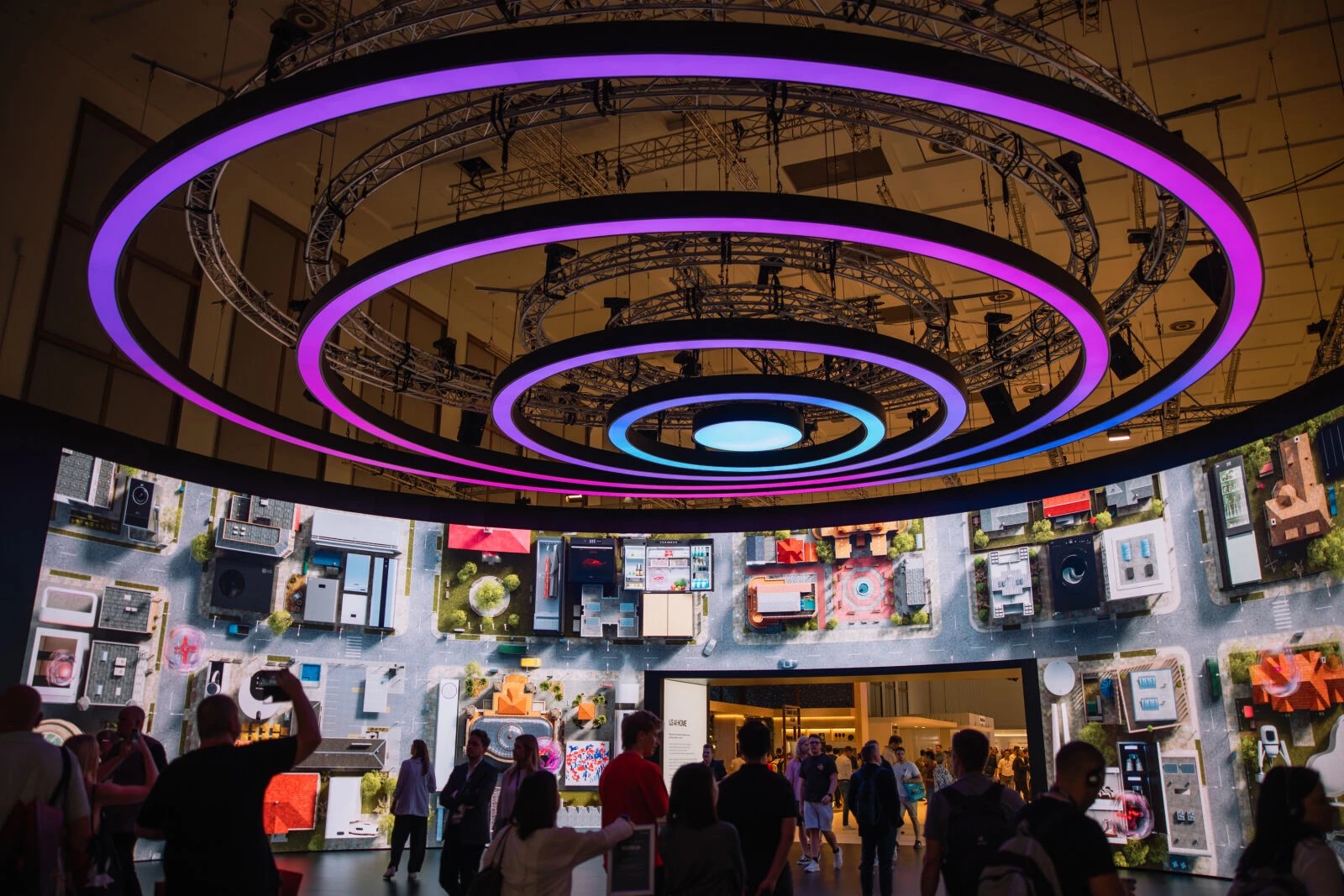
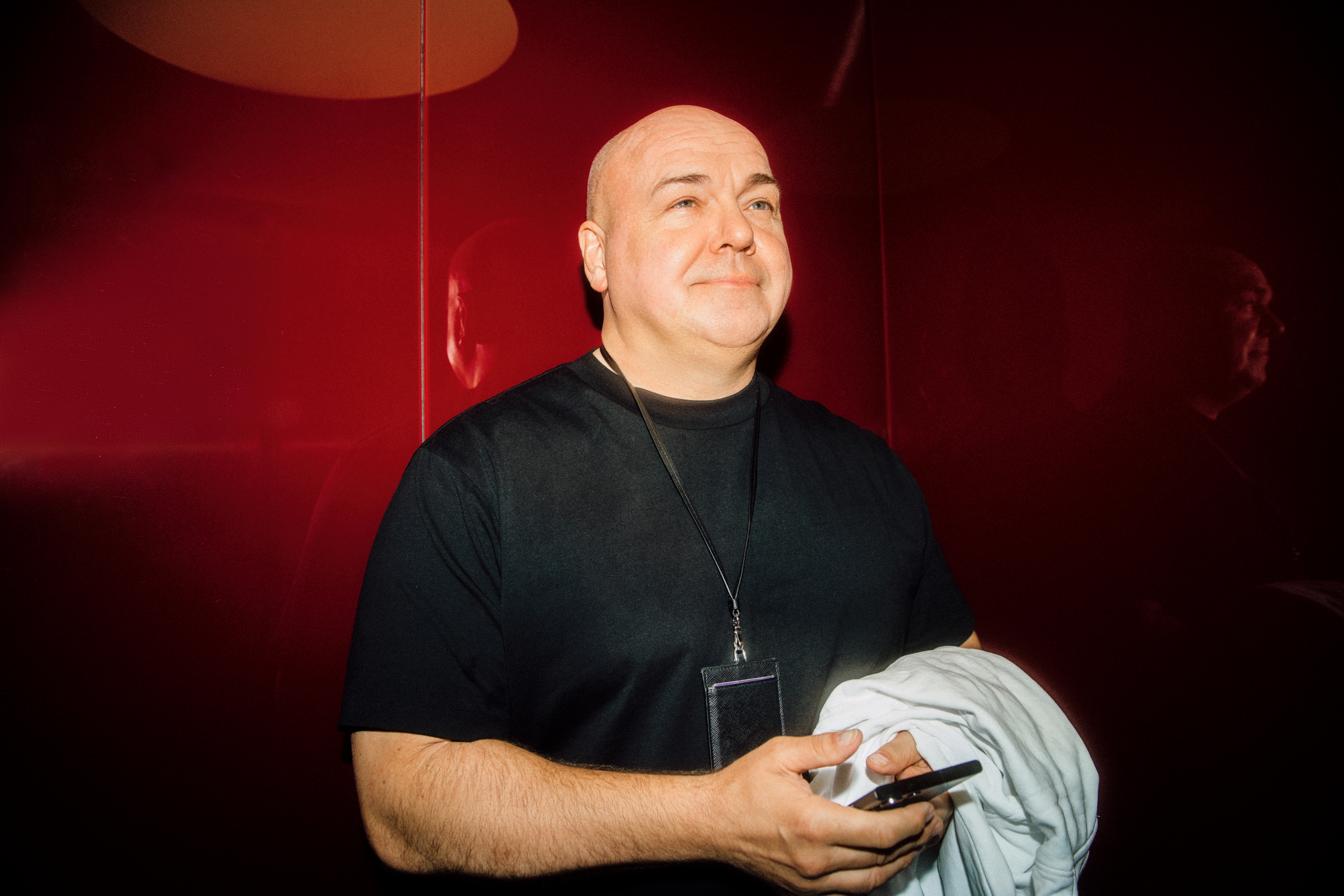
IFA (Berlin 5-9 September 2025) is the world's leading platform for home and consumer tech. For over 100 years, IFA has been presenting ground-breaking innovations, connecting industry experts and providing international companies with access to new markets. As Leif Lindner, Ceo of IFA Managemen explains.
As a privileged observer, what are the key words driving innovation paths in the kitchen appliance industry?
At IFA, we don’t just observe trends. We see them in action. What’s clear is that innovation in the kitchen space today is being driven by a few key forces.
First, intelligence. Smart appliances are no longer a premium feature. They’re becoming the standard. AI and automation are changing how products function in everyday life. It’s about simplifying routines, not adding complexity.
Second, sustainability. This isn’t a future goal. It’s the here and now. Energy efficiency, material choices, recyclability. These are all top of mind for manufacturers because they’re top of mind for consumers. Responsibility and innovation now go hand in hand.
Third, connectivity. We’re living in an ecosystem, and the kitchen is part of it. Appliances that can talk to each other, and to us, are creating a new level of convenience.
And finally, design. Today, function and form are inseparable. Consumers expect appliances to perform at a high level and fit beautifully into the way they live and the spaces they create. Design isn’t a layer. It’s part of the core experience.
We see these priorities reflected every year at IFA. The most successful innovations aren’t just technical. They connect emotionally, culturally, and visually.
Technological innovation but also aesthetic research. How do these two paths coexist?
They don’t just coexist. They depend on each other. At IFA, we’ve seen a clear shift: consumers expect their appliances to deliver on performance, but also to reflect their lifestyle and identity. Technology drives functionality: smarter sensors, automation, energy management. But design is what makes those innovations accessible, desirable, and intuitive.
The most successful brands are those that understand this balance. They’re not just adding new features; they’re integrating them into products that feel effortless to use and natural to live with. Form follows function, but in today’s kitchen, function also follows form. Innovation isn’t just hidden in the hardware. It’s visible in the lines, the materials, the interaction. That’s why design studios and engineering teams are now working closer than ever.
So how does IFA communicate and highlight the innovation taking place in the industry?
IFA is where innovation comes to life. We don’t just present products. We create an environment where the future of the industry can be seen, touched, and understood. That’s what makes IFA unique. Whether it’s a global brand unveiling a next-generation appliance or a startup showing a bold new idea, the stage is the same, and the impact is immediate.
What we do is more than just exhibition. It’s storytelling, it’s connection. Through live demos, panels, keynotes, and immersive showcases, we help companies translate complex innovation into real-world relevance. And because our audience is so diverse, from industry insiders to retailers, media, and end users, that message travels far and fast.
At its core, IFA is a catalyst. We bring people together, spark conversations, and open doors to collaboration. And that’s how innovation moves, not just through technology, but through the energy of people coming together to build what’s next.
What values make a physical event, like a trade show, even today central to the growth of the target market?
There’s no substitute for being there. In a world that’s increasingly digital, the value of real, physical connection has only grown. Trade shows like IFA offer something the online world can’t replicate: the ability to see, touch, and feel innovation. Every product today is tailored to meet specific user needs, which makes it even more important for people to experience those products directly. Trust isn’t built in a livestream, but in a handshake, a conversation, or an unexpected product demo that makes you rethink what’s possible.
Business happens faster and more meaningfully when people meet in person. You get clarity, momentum, and the kind of spontaneous collaboration that simply doesn’t happen over video calls. For brands, it’s also about emotion. The ability to create a moment, to make an impression that lasts.
At IFA, we’ve always believed that progress isn’t just about technology. It’s about people coming together. That’s why, even in 2025, a physical event isn’t just relevant. It’s essential. It brings the industry into one place, at one time, and gives it the space to move forward.